


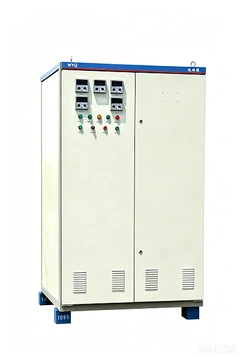
1. Low-Voltage Distribution Boxes
Low-voltage distribution boxes are those with a rated voltage of 1000V or less and a rated current of 6300A or less. Low-voltage distribution boxes are the most common type of distribution equipment in industrial and residential power systems and are widely used in the power industry, metallurgy, petrochemicals, construction, and other fields. Low-voltage distribution boxes typically include components such as incoming and outgoing cables, circuit breakers, grounding switches, and instruments.
2. Medium-Voltage Distribution Boxes
Medium-voltage distribution boxes are those with a rated voltage between 3kV and 40.5kV and a rated current between 100A and 4000A. Medium-voltage distribution boxes are commonly used in power transmission and transformation systems, transferring electrical energy from substations to end users. Medium-voltage distribution boxes typically include components such as incoming and outgoing cables, circuit breakers, and disconnectors.
3. High-Voltage Distribution Boxes
High-voltage distribution boxes are those with a rated voltage of 72.5kV or above. High-voltage distribution boxes are commonly used in power transmission and transformation systems, transferring electrical energy from substations to end users. Due to the higher voltage levels, high-voltage distribution boxes have higher safety requirements. They typically include components such as incoming and outgoing lines, circuit breakers, disconnectors, and grounding switches.
